
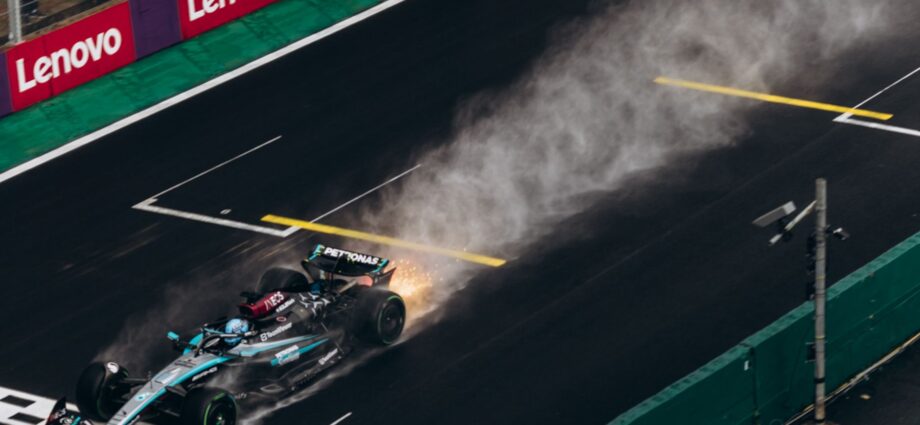
Singapore Grand Prix tyres play a vital role in determining team strategies and performance. In this article, we explore the various tyre options that teams will utilize during the race.
Overview of Tyre Choices
The Singapore Grand Prix, known for its challenging street circuit and humid conditions, demands careful consideration when it comes to tyre choices. Teams are tasked with selecting the right tyres that can withstand the unique challenges posed by the track. The performance and durability of Singapore Grand Prix tyres become paramount in achieving a competitive edge.
This year, teams have several options available, each designed to cater to different track conditions and strategies. The three main types of tyres that teams typically choose from include:
- Soft tyres: These provide the best grip and are ideal for qualifying and the initial stages of the race. However, they tend to wear out quickly on the demanding street circuit.
- Medium tyres: A balanced choice, these tyres offer a compromise between grip and longevity, making them suitable for longer stints.
- Hard tyres: Designed for durability, they are slower in terms of speed but can last longer, making them a strategic choice for teams looking to minimize pit stops.
With the unpredictable weather conditions and the potential for safety car periods, teams must also be prepared to adapt their strategies based on tyre performance. Understanding the nuances of each compound will be crucial for achieving success at the Singapore Grand Prix.
Impact of Tyres on Performance
The performance of F1 cars during the Singapore Grand Prix is significantly influenced by the choice of tyres. In this highly competitive environment, teams must carefully select tyres that enhance grip and durability while adapting to the unique street circuit conditions.
Tyres play a crucial role in both speed and handling. A well-chosen set can provide teams with the necessary traction to navigate the tight corners and elevation changes characteristic of the Singapore track. The high humidity and warm temperatures further complicate the situation, as they can affect tyre degradation rates.
Factors to consider when selecting tyres include:
- Compound Selection: Teams typically choose between soft, medium, and hard compounds, each offering different levels of grip and longevity.
- Weather Conditions: The unpredictable Singapore climate may lead teams to adjust their strategies based on potential rain or increased humidity.
- Track Evolution: As the race progresses, the track surface may improve, impacting the effectiveness of the tyre compounds used.
Ultimately, the right tyre strategy can be the difference between a podium finish and a disappointing result. Teams participating in the Singapore Grand Prix must navigate these elements carefully to maximize their performance and capitalize on the advantages provided by their chosen tyres.
Historical Tyre Data for Singapore
The Singapore Grand Prix, known for its unique night race setting and challenging street circuit, has seen various tyre strategies evolve over the years. Historical data indicates that teams often opt for different compounds based on track conditions, weather, and tire degradation patterns.
In previous races, the Singapore Grand Prix tyres have played a crucial role in determining race outcomes. For instance, the softer compounds tend to provide better grip but can wear out quickly, while harder compounds offer more durability but at the cost of outright speed. Teams have had to balance these factors to devise effective race strategies.
Notable trends from past events include:
- 2017: Teams predominantly used the Supersoft and Ultrasoft tyres, leading to numerous pit stops and strategic battles.
- 2019: The introduction of the C3, C4, and C5 compounds saw teams experiment with varying tyre strategies, showcasing the importance of adapting to track evolution.
- 2021: Weather conditions played a significant role, with many teams opting for the medium compound to combat potential rain and track dampness.
As teams prepare for the upcoming race, understanding historical tyre performance at the Singapore Grand Prix will be vital for making informed decisions. Each compound’s characteristics can greatly influence the race strategy, making tyre choice a key factor in achieving success on this demanding circuit.
Team Strategies for Tyre Selection
As teams prepare for the Singapore Grand Prix, tyre selection plays a crucial role in their overall strategy. The unique street circuit, characterized by its high humidity and low-grip surface, demands a tailored approach to tyre choices. Here are some key strategies teams consider when selecting tyres for this challenging race:
- Adapting to Track Conditions: Teams must analyze the current weather and track conditions leading up to the race. The Singapore Grand Prix tyres must be suited for potential rain or humidity, which can significantly affect grip levels.
- Long Run vs. Short Run: Depending on their qualifying position, teams may opt for a softer compound that offers better grip for qualifying but will wear out faster during the race. Conversely, a harder compound may provide durability for long stints.
- Strategic Pit Stops: Effective tyre strategy involves planning pit stops. Teams must predict when to change tyres to maximize performance while minimizing time lost in the pits.
- Understanding Driver Preferences: Each driver has different preferences regarding tyre feel and performance. Teams need to balance these preferences with strategic needs to ensure optimal performance on race day.
Ultimately, successful tyre selection can be the difference between victory and defeat on the streets of Singapore.
Expert Opinions on Tyre Performance
As teams prepare for the Singapore Grand Prix, expert opinions are crucial in determining the best tyre choices for optimal performance on the unique street circuit. Renowned motorsport analysts emphasize the importance of selecting the right tyres to tackle the challenging conditions that Singapore presents.
One leading tyre specialist noted, “The combination of high humidity and temperatures can significantly affect tyre degradation. Teams must consider not just the compounds, but also the wear rates specific to the Singapore Grand Prix tyres.”
Additionally, former drivers have pointed out that the track’s layout, which features tight corners and limited overtaking opportunities, necessitates a focus on grip and durability. “Finding the perfect balance between speed and tyre longevity is essential,” remarked a two-time champion.
Experts agree that understanding the impact of the night race conditions on tyre performance can lead to strategic advantages. “The cooler temperatures at night can alter grip levels, meaning teams need to adapt their tyre strategies accordingly,” suggested a leading F1 commentator.
The consensus among these experts is clear: teams that invest time in analysing data and trends from previous races can better predict how different tyre compounds will perform during the Singapore Grand Prix, ultimately leading to superior race strategies and outcomes.
When selecting Singapore Grand Prix tyres, teams must consider the unique street circuit conditions that challenge both performance and durability. The right choice of Singapore Grand Prix tyres can significantly impact lap times and overall race strategy.
Photo by Jonathan Borba on Pexels
References
Related reading
Temba Bavuma: What’s the Right Way to Understand Australia? · Australia women’s cricket: Worth pushing for more summer games · Fantasy Football Market Size: Proven Growth Insights for 2025