The South Korea gambling market has reached a staggering 95.9 trillion won, reflecting the growing concerns over illegal sports gambling activities.
Overview of South Korea’s Gambling Market
The South Korea gambling market has recently reached a staggering milestone, with illegal sports gambling surpassing 95.9 trillion won. This alarming figure highlights the increasing trend of unregulated betting activities within the country, raising concerns among authorities about the potential social and economic impacts.
Despite the strict regulations imposed by the government, the allure of easy money and the convenience of online platforms continue to drive individuals toward illegal gambling options. The rapid growth in this sector has prompted discussions on the need for more effective measures to combat illicit activities.
Key factors contributing to the expansion of the South Korea gambling market include:
- Increased accessibility to online gambling platforms
- Growing public interest in sports events
- Limited legal gambling options available
As the situation evolves, stakeholders are urged to consider potential reforms that could better regulate the gambling market and address the underlying issues fueling its rapid growth.
The Rise of Illegal Sports Betting
The surge in South Korea’s gambling market has not only highlighted the legal avenues available but has also paved the way for a troubling rise in illegal sports betting activities. As the legal market struggles to keep pace, illegal betting has flourished, particularly among younger demographics.
Factors contributing to this boom in illegal gambling include:
- Accessibility: The proliferation of online platforms has made it easier for bettors to engage without detection.
- Lack of regulation: Many illegal operators exploit loopholes in existing laws, attracting those who seek to evade the restrictions of the legal market.
- Social acceptance: In some circles, illegal betting has become normalized, further encouraging participation.
As the South Korea gambling market grapples with these challenges, authorities are under increasing pressure to implement stricter regulations and enforcement measures to combat illegal activities and protect consumers.
Economic Impact of Gambling in South Korea
The economic impact of gambling in South Korea has drawn significant attention, particularly with the latest figures indicating a troubling trend. The South Korea gambling market, which encompasses both legal and illegal activities, is now estimated to be worth over 95.9 trillion won. This staggering amount reflects not just the popularity of gambling but also the challenges posed by its unregulated sectors.
Many experts argue that the prevalence of illegal sports betting is diverting funds from the formal economy, leading to lost tax revenues and increased financial strain on families. The economic implications extend beyond individual losses, affecting businesses and local economies as well.
Furthermore, the situation raises questions about public safety and health, as gambling addiction becomes a growing concern. As the South Korea gambling market continues to evolve, policymakers are urged to address these issues to mitigate the negative effects on society.
- Increased financial strain on families
- Loss of tax revenues
- Public health concerns related to gambling addiction
Government Response to Illegal Gambling
The South Korean government has intensified its efforts to combat the rising tide of illegal gambling, particularly in light of the skyrocketing figures reported in the South Korea gambling market. With illegal sports betting exceeding 95.9 trillion won, authorities are under pressure to implement stricter regulations.
In response, the government has proposed a series of measures aimed at curbing illicit gambling activities, including:
- Increased Surveillance: Authorities are enhancing monitoring of online gambling platforms.
- Public Awareness Campaigns: Initiatives are being launched to educate citizens about the risks associated with illegal gambling.
- Tighter Penalties: Stricter punishments for operators of illegal gambling sites are being considered.
Officials believe that these steps are crucial to protect the integrity of the legal gambling market while addressing the socio-economic issues linked to illegal gambling activities. With ongoing efforts, the government aims to reduce the allure of underground betting operations.
Public Perception of Sports Betting
The public perception of sports betting in South Korea is increasingly complex, especially as the gambling market continues to evolve. While traditional views on gambling remain cautious, a growing segment of the population is beginning to embrace sports betting as a legitimate form of entertainment.
Many South Koreans see sports betting as an exciting way to engage with their favorite sports, particularly football and baseball. However, this perception is often clouded by concerns over illegal gambling activities that have surged alongside the formal sports betting market.
According to recent surveys, approximately 60% of respondents believe that regulated sports betting can be beneficial for the economy, providing additional revenue streams and job opportunities. Conversely, nearly 75% express worries about the social impact of gambling addiction and crime associated with illegal betting.
As the South Korea gambling market expands, understanding these public sentiments will be crucial for shaping future policies and ensuring a balanced approach to gambling regulation.
Comparative Analysis with Other Countries
The South Korea gambling market, despite its significant size, faces intense competition from global counterparts. Countries like the Philippines and Macau have long been leaders in the gaming industry, often surpassing South Korea in both revenue and tourism appeal.
In Macau, the gambling market generated over 150 billion USD in 2022 alone, showcasing its dominance in the sector. Meanwhile, the Philippines reported a steady growth rate, with revenues reaching approximately 4 billion USD, largely fueled by foreign investments and a thriving online gaming sector.
Moreover, Singapore has also emerged as a formidable player, with its integrated resorts attracting a substantial number of international visitors, further enhancing its gambling revenue. In contrast, South Korea’s strict regulations and a significant illegal gambling market, now exceeding 95.9 trillion won, highlight the challenges the country faces in expanding its legitimate gambling sector.
This comparative landscape underscores the need for South Korea to adapt its strategies in the highly competitive global gambling market.
Future of Gambling Regulations in South Korea
The future of gambling regulations in South Korea appears to be heading towards significant changes as authorities grapple with the challenges presented by the burgeoning gambling market. With illegal sports betting now topping 95.9 trillion won, the government is under increasing pressure to address the issue effectively.
Experts suggest that a comprehensive regulatory framework could help mitigate the risks associated with illegal gambling while also providing a safer environment for legal betting activities. This could potentially lead to an expansion of the legal gambling market, allowing operators to offer more options while ensuring consumer protections.
The South Korean government is considering measures such as:
- Enhanced monitoring of online gambling activities
- Stricter penalties for illegal operators
- Public awareness campaigns to educate citizens about the risks of illegal betting
As the South Korea gambling market evolves, the balance between regulation and opportunity will be crucial for its future sustainability.
Key Statistics on Gambling Trends
The South Korea gambling market has witnessed significant fluctuations over recent years, particularly with the rise of illegal activities. Key statistics that highlight these trends include:
- Total Revenue: The illegal sports gambling market in South Korea has reached an astonishing 95.9 trillion won, indicating a substantial increase in unregulated betting activities.
- Participation Rate: An estimated around 5 million South Koreans are actively engaged in illegal gambling, reflecting the widespread nature of this issue.
- Demographic Insights: The majority of participants are young adults, with a notable increase in involvement among individuals aged 20 to 30.
- Online Gambling Growth: Online platforms have contributed significantly to the rise of illegal betting, with a 30% increase in users reported over the past year.
These statistics underscore the challenges facing the South Korea gambling market and the urgent need for effective regulation and enforcement measures.
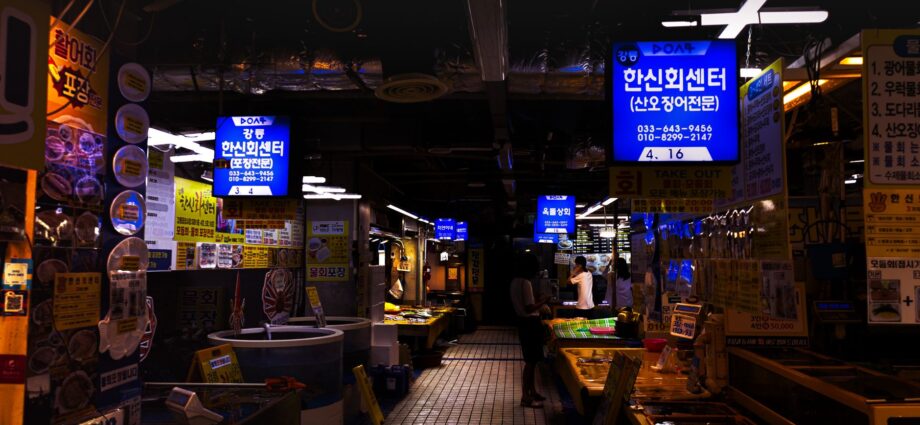
Photo by KYUTAE PARK on Pexels
Sources
Related stories
Netherlands player ratings: Best performances in Greece rout · De Bruyne Praises Güler: A Proven Talent in Madrid · SCOTUS Contempt Ruling: Proven Impact on Apple and Epic