
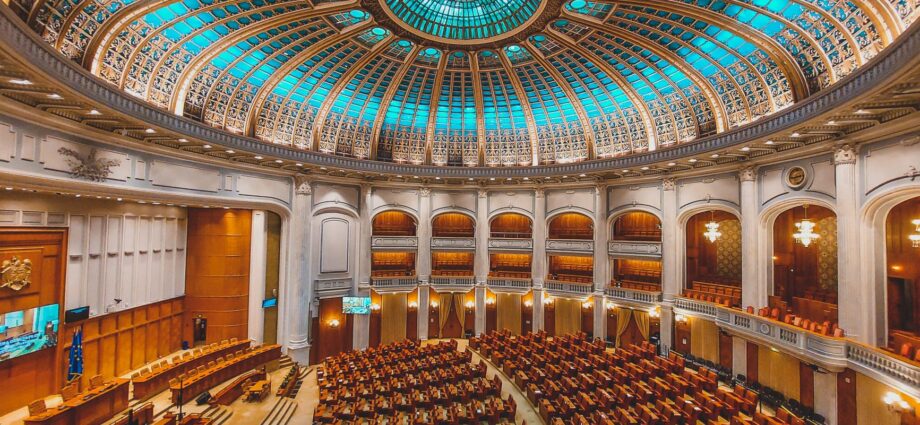
The Kremlin-managed Parliament vote has significant implications for Russia’s political landscape. This vote showcases the ruling party’s strength and control over the parliamentary process.
Understanding the Kremlin’s Control
The recent Kremlin-managed Parliament vote has underscored the extent of the government’s control over the electoral process in Russia. Observers note that the ruling party’s significant victory reflects not only political dominance but also a tightly orchestrated campaign that limits genuine competition.
Factors contributing to this control include:
- Media Manipulation: State-controlled media outlets overwhelmingly promote the ruling party’s agenda while marginalizing opposition voices.
- Legal Restrictions: New laws have been enacted to hinder the activities of independent candidates and parties, making it increasingly difficult for them to participate in elections.
- Intimidation Tactics: Reports of harassment and intimidation against opposition figures create an atmosphere of fear, discouraging active participation in the political process.
- Electoral Irregularities: Widespread allegations of fraud during the voting process raise questions about the legitimacy of the results.
The implications of these factors are profound, as they not only shape the immediate political landscape but also influence the public’s perception of democracy in Russia. Many citizens are left questioning the effectiveness of their votes under a system that appears increasingly managed by the Kremlin.
Implications of the Ruling Party’s Win
The recent Kremlin-managed Parliament vote has significant implications for Russia’s political landscape. Following the decisive victory of the ruling party, several key areas are likely to be affected.
- Political Stability: The ruling party’s win reinforces the existing power structure, potentially leading to a period of increased political stability. However, this may come at the cost of diminishing democratic processes.
- Public Sentiment: The vote may exacerbate feelings of disenfranchisement among the populace. Many citizens feel their voices are not represented, which could lead to unrest or apathy towards the political system.
- Policy Direction: With the ruling party firmly in control, policies are likely to remain aligned with Kremlin interests. This could impact areas such as economic reform, foreign relations, and civil liberties.
- International Relations: The Kremlin-managed Parliament vote may influence how other nations engage with Russia. Increased authoritarianism could lead to heightened tensions with Western countries, affecting trade and diplomatic relations.
Overall, the implications of the ruling party’s win are profound, shaping not only domestic policy but also Russia’s standing on the global stage.
Voter Turnout in the Recent Elections
The recent Kremlin-managed Parliament vote has drawn significant attention not only for the ruling party’s overwhelming victory but also for the voter turnout that accompanied it. Analysts have observed that the percentage of eligible voters who participated in these elections was markedly low, raising questions about the legitimacy of the results.
According to official reports, the turnout was estimated at around 40%, a figure that many observers believe is inflated. Independent organizations suggest that the actual participation may be closer to 30%, indicating widespread apathy among the electorate. This disinterest can be attributed to several factors:
- Disillusionment with the political process: Many citizens feel that their votes do not matter in a system tightly controlled by the Kremlin.
- Fear of repercussions: In an environment where dissent is often met with harsh consequences, potential voters may abstain to avoid trouble.
- Lack of viable alternatives: The absence of genuine opposition candidates has left many feeling that there is no real choice.
The implications of such low voter turnout in the Kremlin-managed Parliament vote suggest a growing disconnect between the government and its citizens, which may have long-term consequences for political stability in Russia.
Political Reactions to the Vote
The recent Kremlin-managed Parliament vote has elicited a range of political reactions both within Russia and internationally. Many opposition leaders have condemned the election results, labeling them as a facade that undermines the democratic process. Alexei Navalny, a prominent critic of the Kremlin, stated that the vote was “pre-determined” and served to reinforce the government’s grip on power rather than reflect the true will of the people.
In contrast, officials from the ruling party celebrated their victory, citing it as a mandate for their policies. United Russia party spokespersons claimed that the results demonstrated widespread support for the government’s economic reforms and social programs. They emphasized a commitment to stability and growth, despite criticisms that the vote lacked legitimacy.
International observers have also weighed in, with several organizations expressing concern over the transparency of the election process. The Organization for Security and Co-operation in Europe (OSCE) noted irregularities and a lack of genuine competition, reinforcing the view that the Kremlin-managed Parliament vote did not provide a fair representation of the electorate.
As reactions continue to unfold, it remains to be seen how this vote will shape the political landscape in Russia in the coming years.
Future of Governance in Russia
The recent Kremlin-managed Parliament vote has raised important questions about the future of governance in Russia. As the ruling party consolidates its power through controlled electoral processes, the implications for political diversity and democratic principles become increasingly concerning.
Many analysts argue that the current trajectory may lead to a further entrenchment of authoritarianism. The dominance of the ruling party could stifle dissent and limit the emergence of alternative political voices. This situation creates a political landscape where opposition parties struggle to gain traction and public discourse is heavily influenced by state media.
Moreover, the Kremlin-managed Parliament vote signals a shift in governance style, prioritizing stability and control over responsiveness to citizen needs. As public trust in political institutions wanes, the government may resort to more repressive measures to maintain order.
Looking ahead, the future of governance in Russia hinges on the balance between state authority and public engagement. The potential for reform exists, but it requires a commitment to genuine democratic practices. Without significant change, the Kremlin’s grip on power may tighten, leading to a stagnant political environment that ultimately undermines the well-being of the Russian populace.
Photo by Czapp Árpád on Pexels
Where this came from
Revenue from Gambling: The Best Proven Strategies for 2027 · Octoplay launch in Alberta: Best new gambling experience · Sri Lanka beat Pakistan: What’s the Best Strategy for Victory?